


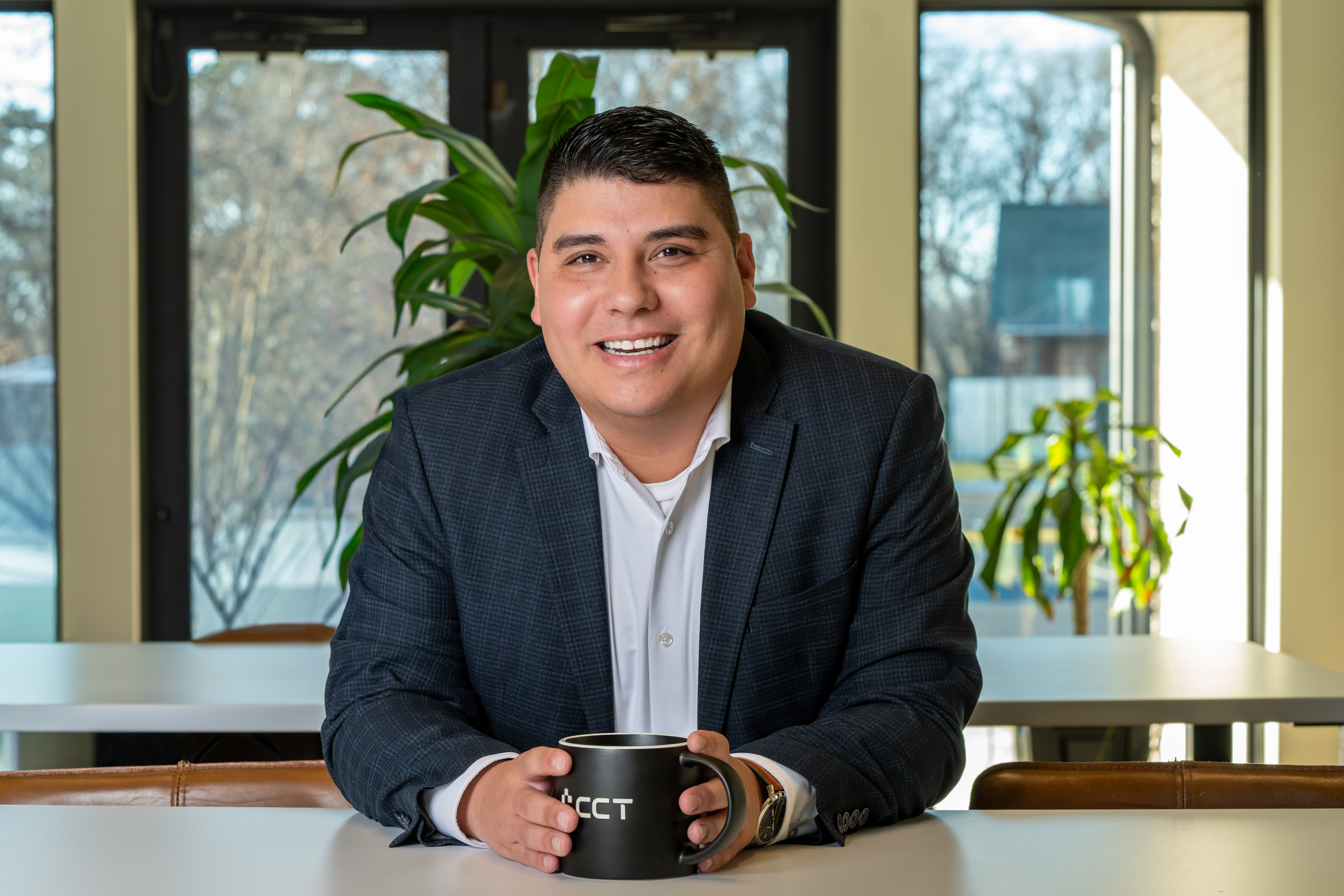
By Hunter Martin, Principal Relationship Manager at CCT
When I think about the Venetian, I think about a standing call that happened five days a week.
The property had already gone live with CCT. Cage and vault had adjusted well, but audit and accounting needed more time. Every Monday through Friday, we set aside an hour to work through questions together.
Eventually, five calls a week became three. Three became one. Then, after a couple of years, the standing call disappeared altogether.
This progression tells the story better than any single milestone could.
The Venetian and the Palazzo were among the first properties where we encountered the full complexity of casino markers and credit activity. We needed to understand the many ways a guest could receive credit, repay it and move through processes that were specific to the property.
This was also a major resort on the Las Vegas Strip. The volume was high. The teams were large. Their technology policies required every change to be carefully documented, tested and approved before it could move into production.
During the initial installation, I spent a week on-site training the team, returned home for a day and then flew back for another week. Even with that preparation, the property asked us to return for additional support after go-live. They were not yet comfortable operating without us nearby.
I understood why; nobody particularly likes change, especially when the existing process touches large amounts of money and involves several departments. Learning a new system is one thing. Learning it while continuing to run one of the busiest casino operations in the country is another.
So what did my team and I do? We stayed close, servicing the team on an extended period of hypercare. In the beginning, COO Danny Roe and I handled many of the calls. As the work continued, I brought other members of our team into the rotation and helped them learn the Venetian’s operation. It was all hands on deck.
The questions could move quickly between casino operations, accounting and technology. Sometimes a conversation entered territory adjacent to my own expertise and I had to become comfortable saying, “I don’t know, but I’ll find out.”
Listen, that may sound simple, but it was an important lesson for me. A client does not expect one person to know everything. They need to trust that the person sitting across from them will take ownership of the question and return with the right answer.
The Venetian’s change-management process also required patience. A modification that might have been relatively straightforward elsewhere could require additional documentation, a meeting with the IT team, testing in a separate environment and another round of approval before it reached production.
Those steps gave us more people to understand and more relationships to build. What started as a formal, businesslike dynamic gradually became much more familiar. When you spend five hours a week solving problems with the same people, you learn how they think. You understand what concerns them, how their operation works and what they need from you in order to move forward confidently.
…and then some of the people we had trained left the property.
We were not completely back at the beginning, but we did need to establish new relationships and help a new group develop confidence in the system. The software was familiar to them. But the history behind certain decisions was not.
It was on this project that I realized how progress during a major operational change is rarely a straight line. You may solve the technical problem and still need to rebuild the knowledge surrounding it. You may establish a strong working rhythm and then need to create it again with someone new.
My best advice is this: do not to force the process forward before the team is ready. It is your duty to keep showing up, answering the next question and helping people build confidence one decision at a time.
Over time, the Venetian team needed us less. Their questions became less frequent. Their internal knowledge grew, and the system became part of the way they worked rather than something new they were still learning.
When we finally ended the standing meetings, I explained that they would begin using our standard support process. Don’t get me wrong — it didn’t mean I was disappearing. It meant they now had a broader team available to help them, whether I was at my desk or working with another property, which was the outcome we had been working toward all along.
The Venetian shaped the way I lead. It taught me to be comfortable being uncomfortable—to stay present when I did not immediately know the answer and trust that we could find it together.
Casino finance leaders face the same reality. Technology changes. Regulations and internal policies change. Teams change. The people who continue to grow are not necessarily the ones who always feel certain. They are the ones willing to ask questions, work through the unfamiliar and keep going until a new process becomes a trusted one.
At the Venetian, trust took time. We built it call by call, until the team was ready to carry the work forward.