


By Kurt Williams, co-founder and Chief Executive Officer
I want to tell you about the moment I knew our work actually mattered. It happened in a cage, at 2 a.m., with a man named Charlie standing in front of me, arms crossed, absolutely convinced we were wasting his time.
Here’s how we got there.
For five years, we had tried to get in front of the Seminole Tribe of Florida. Every time, the answer was pretty simple: they already had systems and processes in place, and there wasn’t a compelling reason to change them.
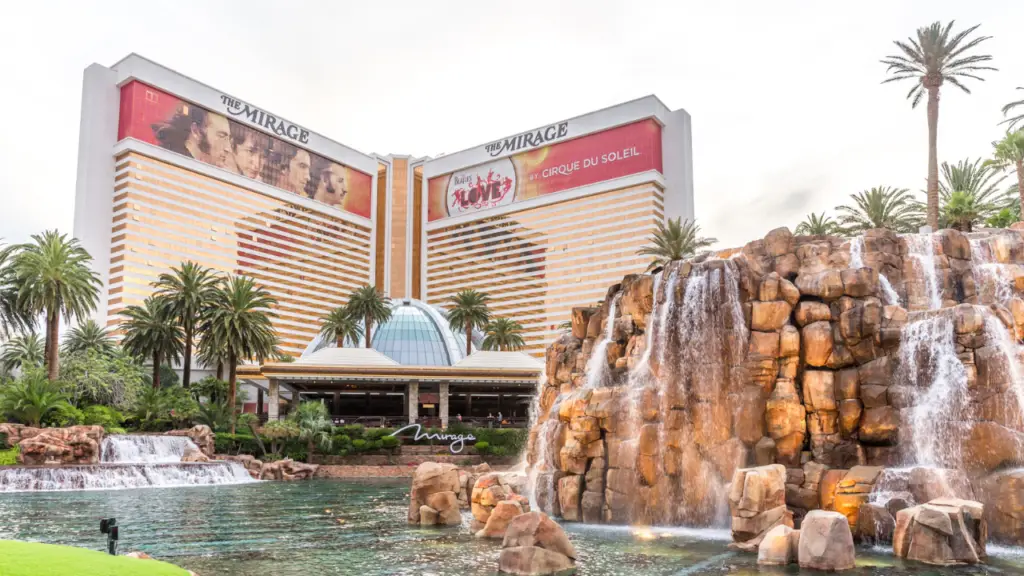
Then the Tribe acquired the Mirage on the Strip.
The new property brought a different ownership transition, a different casino management system, and a different set of operational needs than their Florida properties. Suddenly, there was an opportunity to look at another approach.
That’s how we finally got the call. And that’s where I met Charlie.
Charlie had been in cage operations for more than 30 years. He’d opened every vault the Tribe had ever run, anywhere in the world. When we showed up to help with the ownership transition, the kind of handover where every dollar in the building has to be counted and validated before one operator hands the keys to the next, Charlie made his opinion of us very clear.
“I don’t know why we’re doing this,” he told me. “We already have a solution.”
And from his perspective, that made perfect sense.
Charlie knew cage operations better than just about anyone. He knew the systems, the processes, the controls and the rhythm of the operation because he’d spent decades building that expertise. Then a new group shows up and asks him to do something differently.
So we didn’t argue with him. We got to work.
On the first shift under the new system, we entered the counts and closed out every cashier, every drawer and every window with zero variances. Clean, start to finish.
By the next shift, something in Charlie had changed.
He came back and told me that he could already see what the system could do for his cage, and he hadn’t even seen the revenue audit side yet. Just the cage. But that was enough.
Not long after, I ran into Charlie at a company event. He had his arm around my shoulder, telling everyone within earshot how much he loved this guy, AKA me.
The same man who, months earlier, wasn’t convinced he needed us at all.
I’ve thought about that moment a lot over the years because it is genuinely hard to find someone with three decades of expertise who can look at something new, feel challenged by it and still say, “I was wrong. This is better.”
Experience can make you confident in what you know. The best operators I’ve met also leave room for the possibility that there may be another way to do something.
Charlie did that.
And it didn’t stop with him. That first successful shift gave the team confidence to keep exploring what CCT could do. Over time, that opened the door to more Seminole properties and eventually to a broader evaluation across their Florida portfolio, the same organization we had been trying to work with for years.
All of it traces back to one operator being willing to take a hard look at something new.
I’ve said before that there’s an old line in this business: some people don’t have 20 years of experience, they have one year of experience repeated 20 times.
Charlie is proof of the opposite.
He had 30 real years, every one of them building on the last, because he never stopped asking whether there might be a better way to do the work.
That’s the part of this story I want every operator reading this to sit with.
Casino operations keep changing. New systems, new regulations and new technology are constantly entering the picture. Experience matters enormously, but so does the willingness to keep learning.
Charlie had both.
Being right for a long time is not the same as staying right. Staying right requires you to keep learning.
Charlie taught me that in one closing shift. I’ve never forgotten it.
— Kurt